From September 7 to 12, the Curia in Rome is hosting a significant event in the life of the Congregation: an in-person meeting of provincial treasurers, administrators, and the International Council for Economic Affairs (CAE), following the promulgation and implementation of the new Statutes on Financial Administration (EAE).
A meeting to establish common guidelines
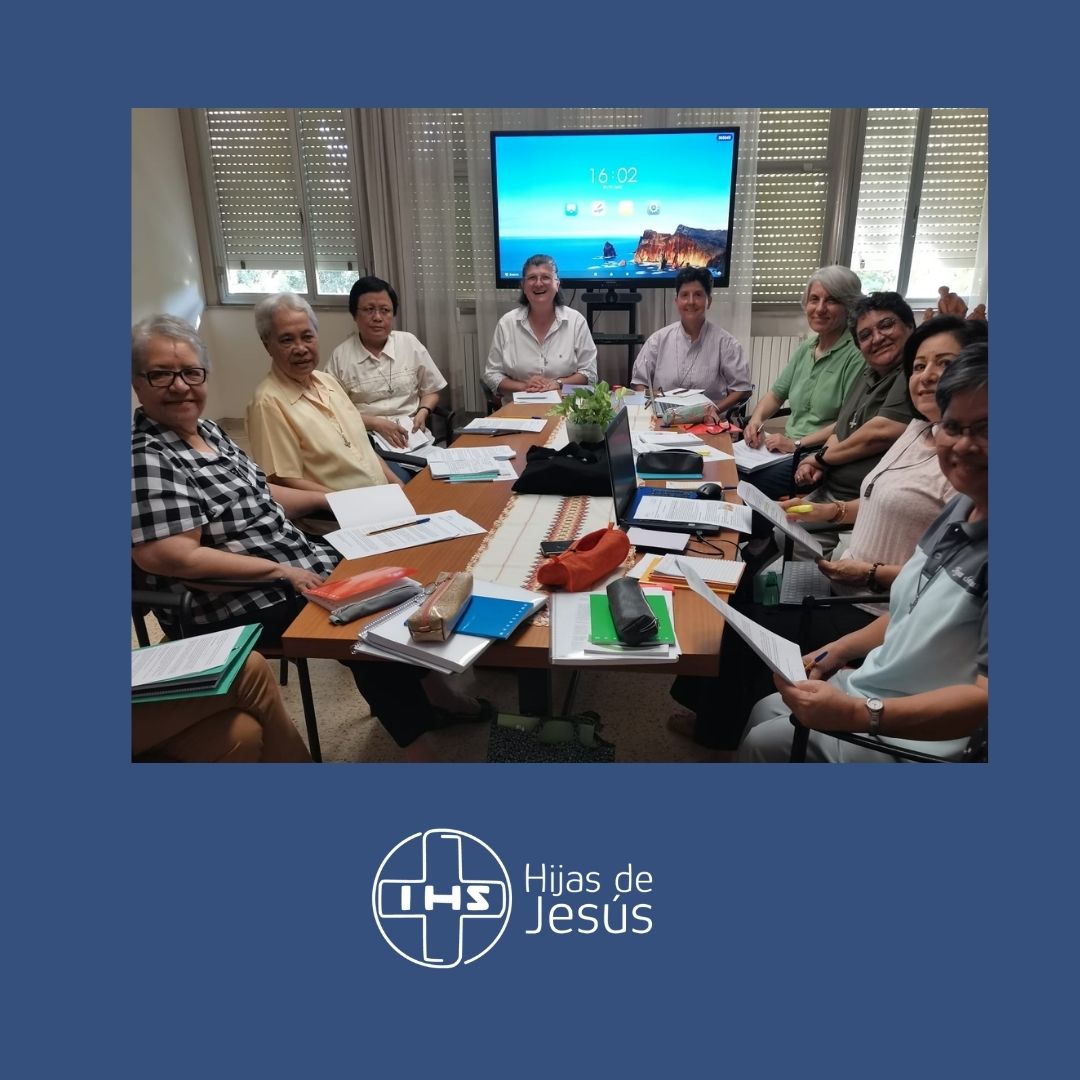
The meeting brings together sisters and laywomen from different countries around a common goal: to compare the draft of the Manual of Financial Administration (MAE) —prepared by the relevant commission—with the daily life and practices of the provincial finances. This is a key phase in the development of this manual, conceived as the practical implementation of the EAE, which seeks to unify criteria for economic management and administration throughout the Congregation.
The meeting is led and facilitated by Yajaira Helena Hernández Oviedo fi, general treasurer. Along with the provincial treasurers, two laywomen—accountants by profession and administrators in their respective countries—are participating. The meeting also provides an opportunity for the recently established International CAE to become involved in this process of shared work. Participants in the meeting include:
- Yajaira Helena Hernández, fi – General Treasurer.
- Angenita Gallo fi – member of the CAE
- Cecilia Solís, Fi—Treasurer of the Indian-Pacific Province
- Johana Bretón fi – economist from the Dominican Republic
- Luz Marina – Administrator in Colombia
- Mª José Alves, Fi—Treasurer for Brazil.
- Melina Palacios – Administrator, Andean America Province
- Roshina de Matos fi – member of the CAE
- Silvia Casado, F.I. — Treasurer of the Europe-Asia Province and member of the CAE
- Teresita Chi fi – Treasurer for East Asia
- Thelma Barbarona fi – member of the CAE
Opening Remarks by the Superior General
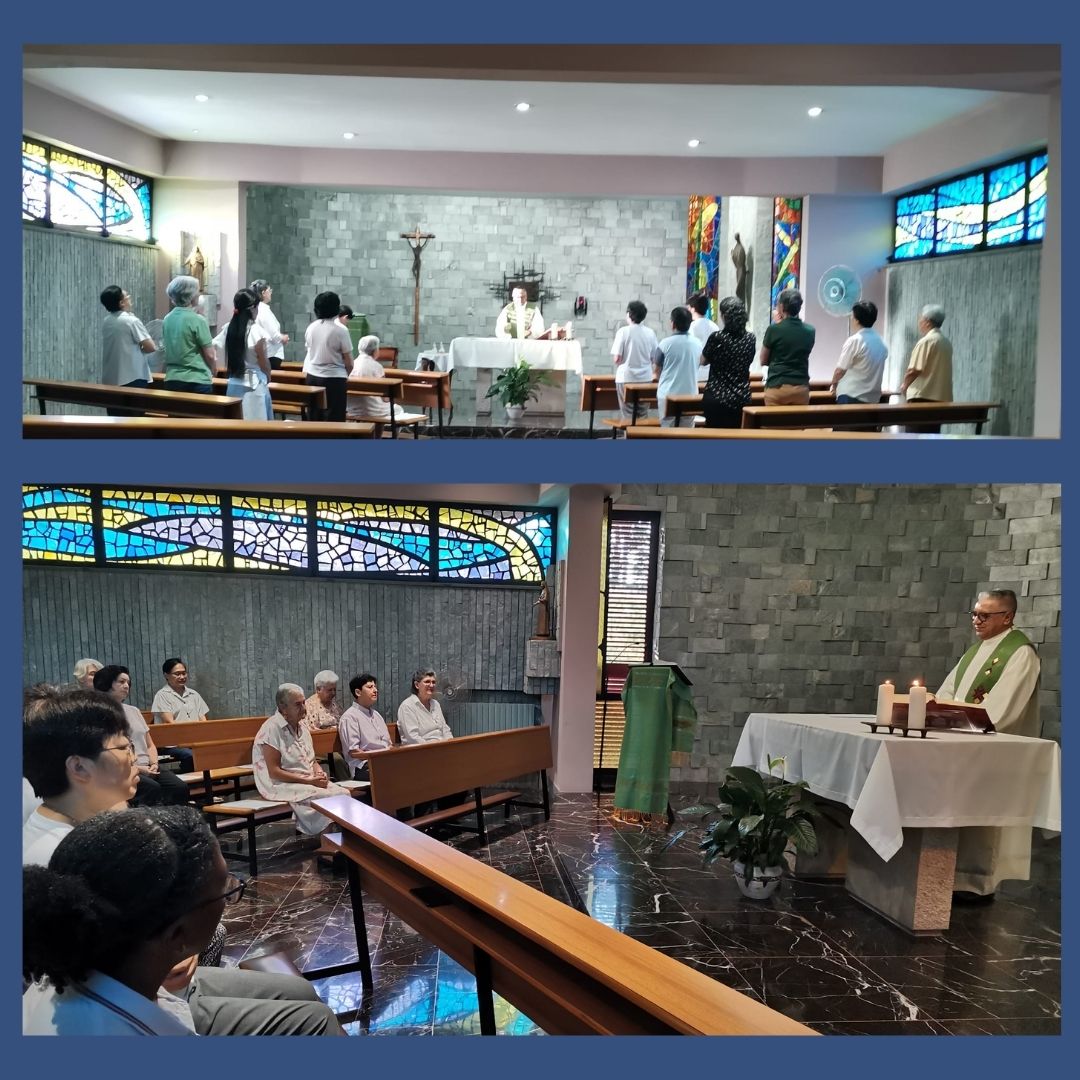
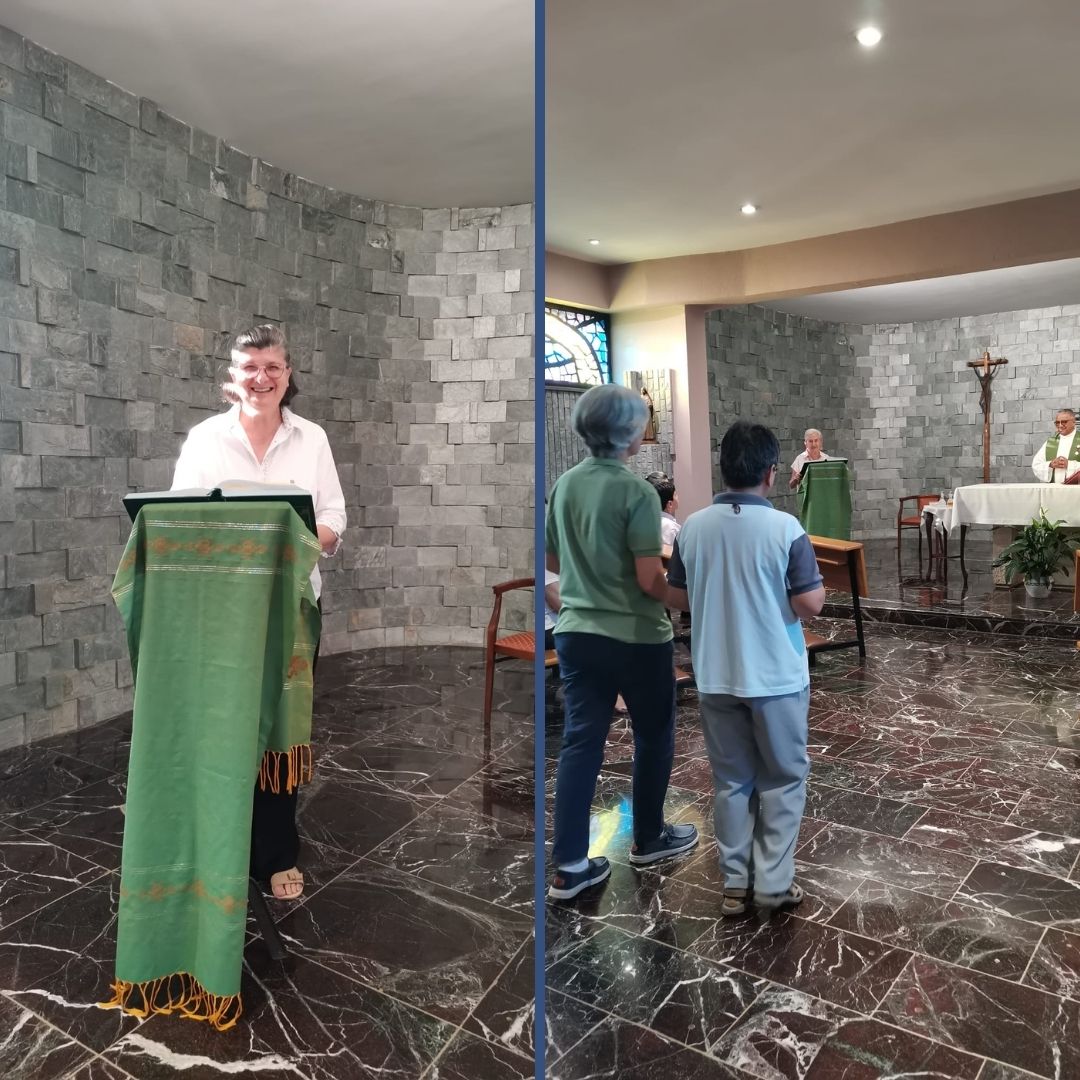
At the start of the meeting, the Eucharist was celebrated, and the Superior General, Graciela Francovig, Fi, who provided the context for this meeting by recalling what the Constitutions of the Daughters of Jesus establish regarding the administration of the Congregation’s assets, and emphasized a distinction that runs throughout the meeting: the difference between the management of assets, their administration, and decisions regarding governance, which always fall under the purview of the general, provincial, and local governments.
Regarding the ultimate purpose of the new Bylaws, Graciela shared the words used to introduce them at the time:
“I trust that these Statutes will help us live out the demands of our vow of poverty in the manner of Jesus; to ensure that our assets are placed at the service of the Church’s mission and the care of the sisters; to ensure the sustainability of the Institute, and to make the sharing of goods our best way to help others come to know the goodness of God, who makes us all brothers and sisters.”
The Superior General also placed this work within the context of the Church’s call to “rethink the economy in fidelity to the charism,” referring to the document *Economy at the Service of the Charism and Mission* from the Dicastery for Institutes of Consecrated Life, as well as the words of Pope Leo XIV on the spirituality of the “wise architect” who is committed to building the good in the world.
Service Experienced as a Calling
One of the strongest themes of the meeting was the call to view financial stewardship as a true apostolic mission. Our Superior General expressed this as she addressed both the treasurers and sisters, as well as the lay administrators who collaborate with the Congregation under employment contracts:
“If our ministry lacks this apostolic mission, it will be merely bureaucratic and administrative, but it will lack the warmth that comes from knowing that I am working to give glory to God and serve my neighbors.”
The Superior General invited us to live out this service with fidelity and transparency, with faith and trust in Divine Providence—just as Mother Candida faced the financial hardships of the Congregation’s early days—with simplicity and humility, and with the care of one who watches over the goods without feeling that she owns them.
Next steps
Throughout the week, the meeting will continue to delve deeper into the new Financial Administration Statutes and make progress on the process of revising the Financial Administration Manual, with a view to achieving uniform standards for the presentation of financial statements and budgets throughout the Congregation.
Let us accompany this gathering and those participating in it with our prayers, so that it may bear fruit in unity and discernment. And may Graciela Francovig’s words also be an opportunity for each of us, in our own service, to ask ourselves what it means to live out our daily work as a calling: with faithfulness, simplicity, and the certainty that what we do is in service to the mission.